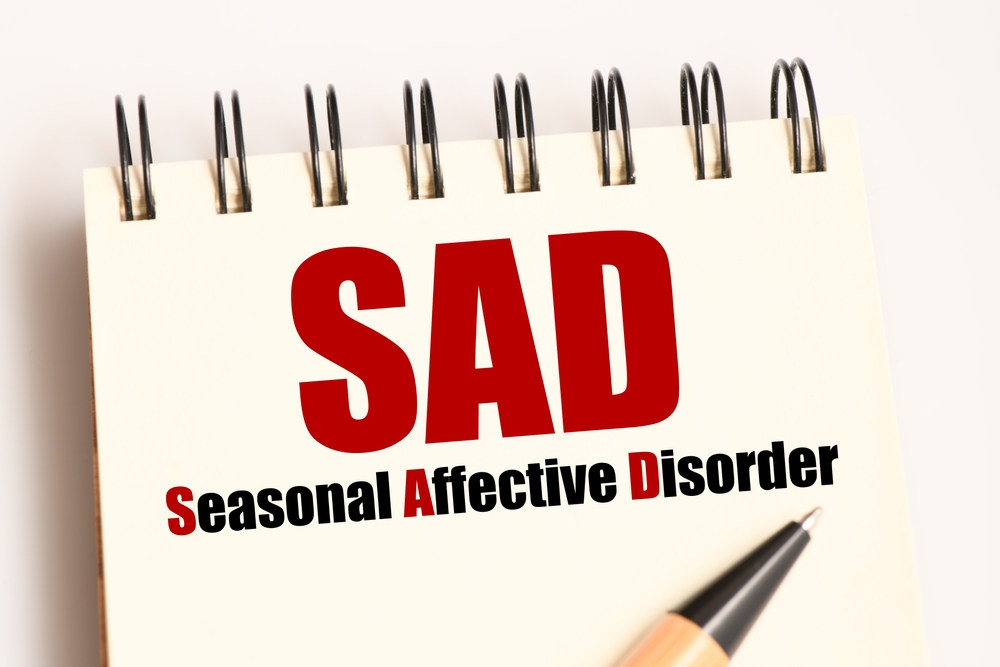
As the days become shorter and we anticipate the clocks going back, searches for SAD have increased by +144%, reaching a new high. Coinciding with these, searches for how to be happy are also peaking, showing that people seek expert advice to boost their wellbeing.
Mental wellbeing expert Paul Guess from caba has commented on how SAD can impact our mental health as low light levels can impact our body’s internal clock.
“Low light levels are thought to affect the production of a brain chemical called melatonin, which can disrupt the body’s internal clock (or circadian rhythm).
The pineal gland produces more melatonin during the hours of darkness, making you feel sleepy. However, some people who have SAD are thought to produce more melatonin than usual, making them feel tired throughout the day,” says Paul Guess mental well-being expert at caba.
All it takes is a few minutes of daylight to tell our brain it’s time to wake up. Light, particularly sunlight, is the primary time setter for the brain and body as our eyes detect the light and dark cycle in our environment and adjust our body clock to match it.
“By simply opening up your curtains first thing in the morning, your body will start to know it’s time to wake up which can have a positive impact on our mood throughout the rest of the day. This is because morning sunlight increases the production of serotonin, a hormone which can improve feelings of wellbeing, which can help depression and anxiety,” continues Paul.
If you’re unable to get some natural light in the morning, you can try investing in a light therapy lamp or light box at home instead. Using one during the morning can also help boost serotonin production and improve your body’s internal clock.
By improving the signals to your brain that it’s time to wake up through light exposure, you can make your morning routine healthier and start the day feeling good improving your alertness and focus throughout the day.
Here are some tips to manage SAD symptoms:
Get active
Physical activity is widely thought to be an effective way to manage stress and boost your mood, and there’s a solid body of evidence that suggests exercise may help alleviate depression. Exercising outdoors, especially when it’s sunny, may have an even stronger effect on SAD symptoms. For instance, try taking a walk in the park instead of lunching at your desk, or walk to the shops instead of taking the bus.
Pack your bags
Most people take a holiday during the summer, but for anyone who suffers from SAD or the winter blues, it might be worth going away in the winter instead. Many people affected by SAD say their symptoms are at their worst during January and February, so it’s a good idea to take advantage of the cheap off-peak package holidays and get some winter sun after Christmas.
Eat mood-boosting foods
What you eat can make a huge difference to your mood, especially during the winter. Foods that contain the amino acid tryptophan, which converts into serotonin in the brain. Foods rich in tryptophan include bananas, turkey, chicken, fish, cheese, eggs, milk, nuts, avocados and pulses.
Try to avoid fluctuations in your blood sugar levels, which can make you crave sweet foods and feel tired and irritable. Always start the day with a good breakfast and try not to let yourself get too hungry: have smaller meals with healthy snacks in between and avoid anything sugary.
Stay warm
Some SAD sufferers say their symptoms improve when they keep warm, so make sure your home and workplace are properly heated and wrap up well when you go outdoors. If you find it difficult to stay warm in bed, take a hot water bottle with you or invest in an electric blanket.”
Is ‘Foot Botox’ the secret to pain-free high heels?