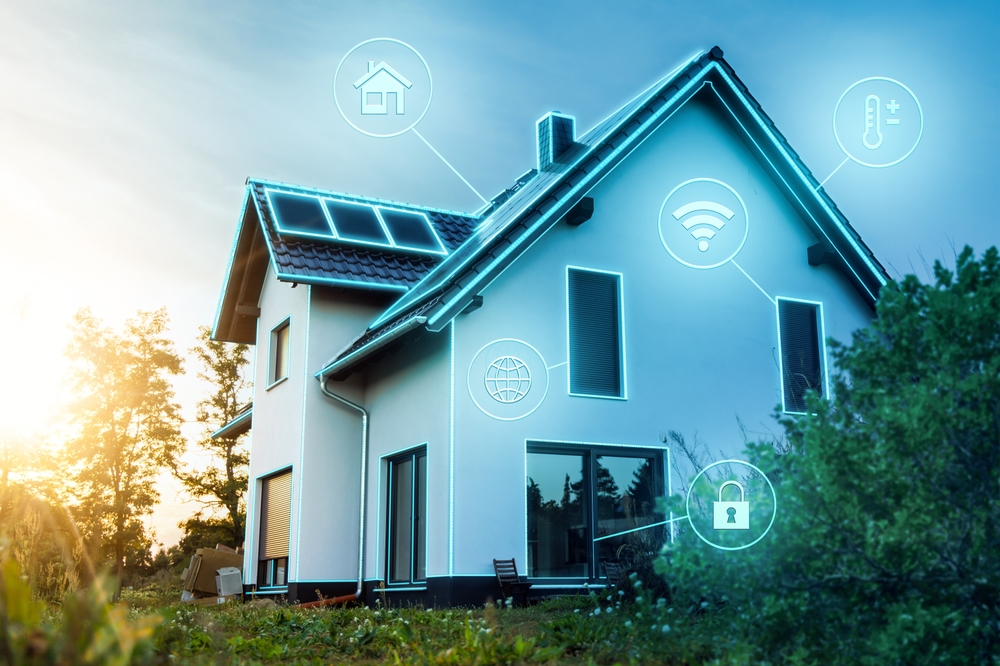
How to Design a Smart Home That Works Beautifully Behind the Scenes
The idea of a ‘smart home’ has really grown beyond just speakers you talk to or fancy light bulbs. Now, it’s more about a whole system where technology is just part of how your home works, all designed to make life easier, more efficient, and more enjoyable.
Creating this kind of environment isn’t just about grabbing the newest gadgets; it’s about smart planning and making sure everything works together, starting right from the structure of your house. A truly modern home should feel natural to use, not just automated.
Beyond Gadgets: A Holistic Approach
To get a truly smart home, the first step is to look past individual devices. Sure, a smart plug here or a connected thermostat there can be handy, but they really shine when they team up. This means thinking of your home as one big, connected system.
Imagine your blinds closing by themselves as your projector screen comes down, or your heating adjusting depending on whether you’re home or out. These seamless smart home integration solutions turn a bunch of gadgets into a home that actually responds to you.

The main goal is to create a home that knows what you need, handling everyday tasks in the background so you can just get on with living.
Seamless Integration of Technology
For your home to really work as one smooth unit, all its different tech bits need to talk to each other. Usually, a central hub or a single software platform handles this. Systems like Apple HomeKit, Google Home, or Amazon Alexa can act as your home’s ‘brain,’ letting you control everything from lights and security to entertainment and temperature, all from one app or with your voice.
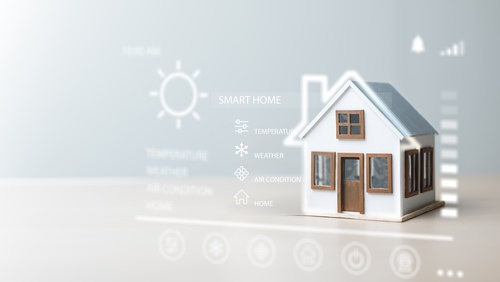
Knowing what a smart home is at its core really helps when you’re planning this integration. Making early decisions about which system you’ll build around can save you a lot of headaches later, making sure any new devices you buy will play nicely with what you already have.
Foundational Walls for Future Tech
The best smart homes are ones where you barely notice the tech. Wires, control boxes, and routers can really mess up a clean, modern look. The trick to getting that seamless feel is actually inside your walls.
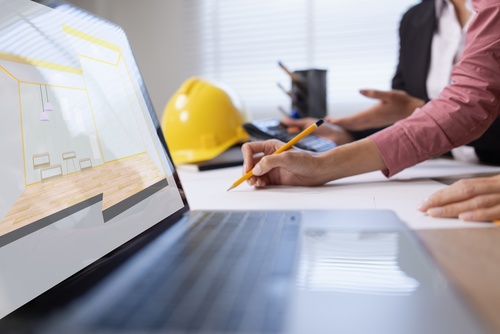
If you’re planning a renovation or building a new place, think about how you can put the smart home infrastructure in right from the start. This might mean running Ethernet cables to key spots for super reliable internet, or installing wiring for speakers that go right into the wall.
Using high-quality plasterboard gives you a smooth, tough surface that perfectly hides all those wires, creating a flawless finish ready for any paint or wall covering. This foundational work is what makes the technology feel present without being seen.
Clean Lines and Minimalist Design
A well-integrated smart home actually fits perfectly with minimalist design. With all the wiring tucked away, you can focus on clean lines and uncluttered spaces. Think about smart lighting that’s recessed into the ceiling and can change colour and brightness to match your mood, or control panels that sit flush with the wall, replacing old-fashioned light switches.
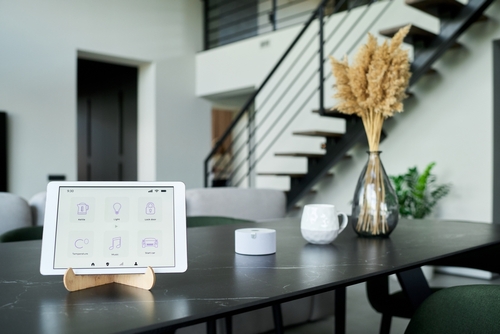
TVs can be built right into the wall, and speakers can even become completely invisible, hidden behind the wall surface. This approach means your home’s technology makes your life better without taking over the look of your space. The result is a home that feels both high-tech and wonderfully simple.
Future-Proofing Your Living Space
Technology moves super fast, so it’s smart to think ahead when you’re designing your home. While you can’t guess every new invention, you can make your home flexible.
One of the best ways to do this is by putting in conduit, which are just empty pipes running through your walls to important spots. This makes it way easier to pull new types of cables through later without having to rip open your walls. Choosing systems that are modular and easy to upgrade is another clever move.

By planning for what might come, you ensure your home stays current and keeps meeting your needs for years, avoiding expensive and messy retrofitting projects down the road.
Ultimately, building a smart home is all about thoughtful design. It’s about creating a space that’s not just intelligent, but also personal, comfy, and ready for whatever the future holds.