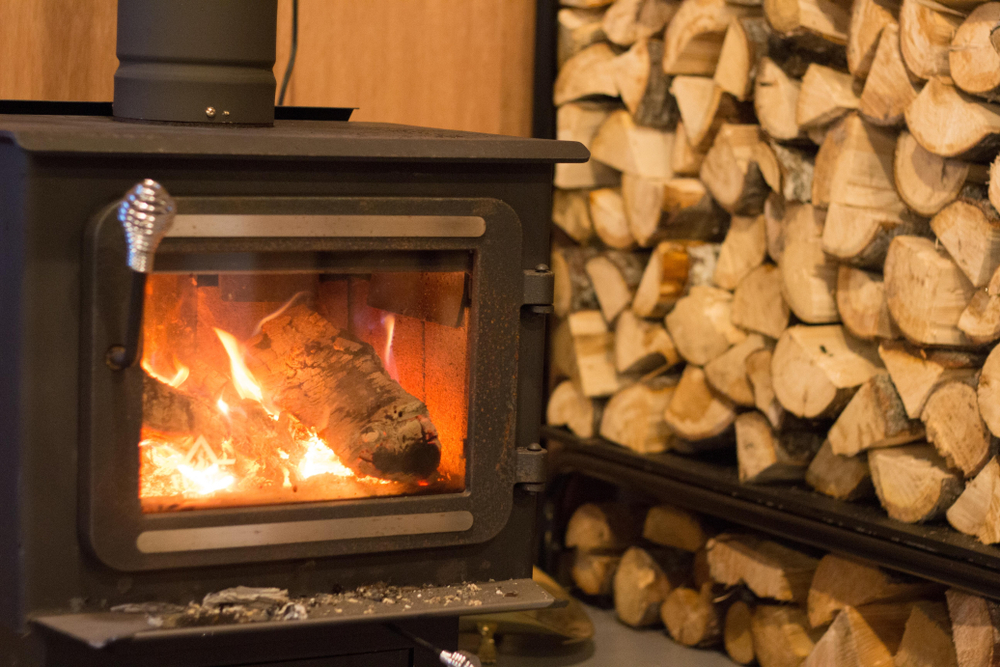
A wood stove is a great way to add extra warmth and cosiness to your home — but how do you maximise the heat it produces?
Below, Christine Matthews, heating appliance expert and spokesperson for Gr8fires.co.uk, a leading online supplier of wood-burning stoves, shares some expert insight on how those with wood stoves – or anyone thinking of purchasing one – can maximise their use over the colder periods, as well as some other key factors to consider:
“There are a couple of key things to consider before trying to increase the heat from your stove:
1. Buy a stove with a suitable heat output
“If your wood stove is too small for the space you need to heat, you will always face an uphill struggle. Use a stove size calculator to see the appropriate stove heat output for your room.”
2. Understand your stove
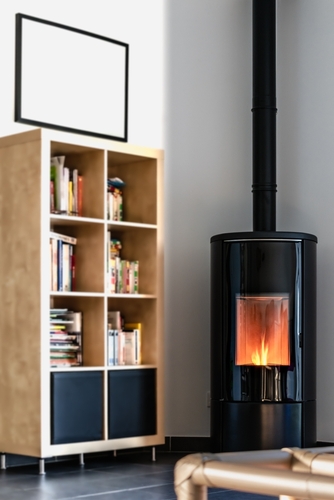
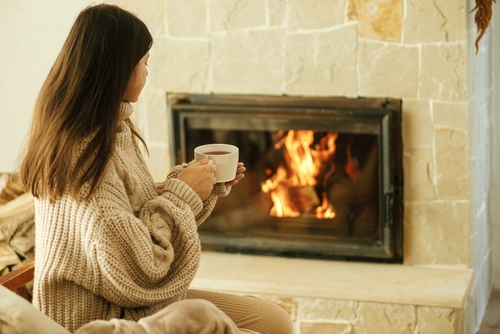
“A wood stove is not designed to deliver the same intense burn as an open fire. This is partly why a stove is a more efficient way to heat your home. While an open fireplace gives that instant, feel-it-on-your-face warmth, most of the heat is lost straight up the chimney.
“With a wood stove, the fire isn’t supposed to heat the room directly: it heats the metal, which then heats the room. The result is less intense but more effective, more efficient and longer-lasting warmth.”
Here are some of the top tips and methods for increasing the heat from your stove:
Light your stove properly
“Often wood stoves fail to create enough heat because they never quite get going. Taking the time to light your stove properly will make your life easier in the long run and maximise the heat from your stove.
To do this:
- 1. Clean your stove while it is cold.
- 2. Open the air vents fully.
- 3. Light a sheet of newspaper inside the stove to heat the flue and move any air pockets that have gathered.
- 4. Scrunch a few sheets of newspaper into balls and place them in the stoves.
- 5. Criss-cross 8-10 pieces of kindling in a lattice effect over the newspaper.
- 6. Push more scrunched-up newspaper in the gaps between the sticks.
- 7. If you’re using firelighters, add these on top of the newspaper.
- 8. Light your wood stove.
- 9. Leave the vents open and the door ajar.
- 10. When the kindling starts to char, add two or three logs to the stove.
- 11. When the logs start to burn, close the door properly.
- 12. Partially close the vents, experimenting to see how far you can close them before the fire starts to smoke or smoulder.
Lighting your stove well gives you more warmth and greater control over the heat produced.”
Control the airflow
“There are two key ways to generate more heat from your wood stove: adding more fuel or adding more air. Opening the air vents increases the amount of oxygen getting into your stove and increases the heat generated.
“This isn’t necessarily a good thing. Operating your stove at too high a temperature is called overfiring and can damage your stove. Use a stove pipe thermometer to make sure your stove isn’t burning too hot.”
Maintain efficiency
“As well as being bad for your stove, operating your stove at the highest temperature isn’t necessarily the best way to generate reliable heat. Intense fires lose a lot of the heat generated straight up the chimney. It’s better to have a less intense flame that will help your fuel to last longer and keep flammable gases inside the stove for longer so they can burn and generate more heat.”
Use a stove fan
“A stove fan — a small heat-powered fan designed to sit on top of your stove — is a useful way of getting more warmth from your stove into your home. It’s particularly useful for spreading heat around the room if your stove is recessed within a fireplace.”
Burn suitable fuel
“You should always burn dry, well-seasoned logs on your wood stove. This creates a cleaner, more efficient and hotter burn. When you burn logs with a high moisture content, energy — and therefore heat — is wasted on evaporating water instead of heating your home.
“Following all of these tips will give you more control over your wood stove and help you to generate the maximum amount of heat from the fuel you burn.”
Further FAQ’s:
What’s the best wood to burn in a fireplace?
“Any wood you burn in a fireplace should be dry and well-seasoned. To maximise heat generation, it’s a good idea to burn dense hardwoods. Woods like ash, oak and beech burn longer and create sustained heat over a prolonged period.”
What might cause a fireplace to burn low?
“A fireplace will usually burn low if there’s either not enough oxygen or not enough fuel. Try opening the air vents wider to see if that makes a difference. If not, try adding more fuel.
“If it’s still burning low, you might need to experiment with your fire-lighting process to ensure the fire gets going properly and burns well.”
How hot can a wood fireplace burn?
“The optimum operating temperature for a wood stove is between 260°C (500°F) and 460°C (860°F). Using your stove at higher temperatures than this risks damaging the stove’s body and internal parts. Use a stove pipe thermometer to check your current operating temperature and adjust the air vents to control the temperature.”
These 8 Things Make Your Home Look Cheap