With news buzzing about a mini-heatwave hitting the UK this week, it’s crucial to take action now to protect your precious plants and other aspects of your garden. So, how do you properly protect your garden from a heatwave?
Below, gardening expert Fiona Jenkins at MyJobQuote.co.uk explains everything that you need to do to ensure your garden is able to survive the sudden increase in temperatures. Take a look at Fiona’s top tips below…
Get The Watering Technique Right
First of all – watering. This is the most obvious but also the most crucial step to take. Now, we’re not talking about a quick flick of the hose here. Think strategic, deep watering. The key is to water early in the morning or late in the evening. This minimises evaporation, allowing the water to soak deep into the soil and reach the roots.
When you do water, don’t just sprinkle the surface. You want to really drench the soil. Aim for a slow, steady soak, allowing the water to penetrate at least a few inches down. For established plants, a good, thorough watering once or twice a week is usually better than a daily light drizzle. This encourages deeper root growth, making your plants more resilient in the long run.
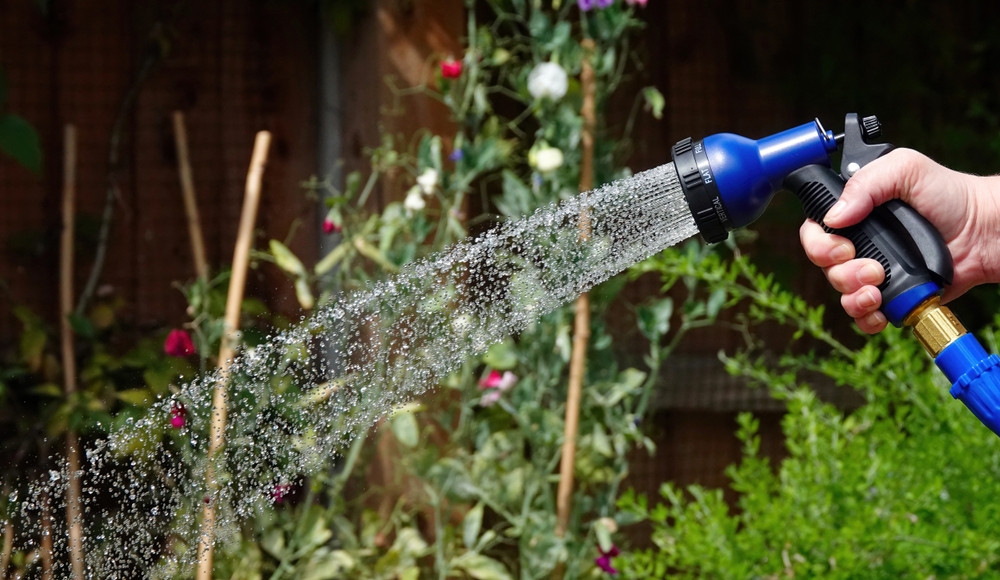
Use a watering can or a hose with a gentle spray nozzle, and really focus on the base of the plants. Avoid watering the leaves, as wet leaves in direct sunlight can lead to scorching. If you have any containers, they will dry out much quicker than plants in the ground, so keep a very close eye on them.
If you have limited time or lots of plants, consider investing in a drip irrigation system or soaker hoses. These deliver water directly to the roots, reducing waste and keeping your plants consistently hydrated. Also, remember that newly planted flowers and plants are particularly vulnerable, so make sure to give them some extra TLC.
Take Care of Mulching
Mulching is very important for your garden during a heatwave. It acts like a protective blanket, keeping the soil cool and retaining moisture. A good layer of mulch, about two to three inches thick, will do wonders. Organic mulch, such as bark chips, compost, or straw, is ideal. Not only does it help retain moisture, but it also enriches the soil as it breaks down.
Spread the mulch around the base of your plants, leaving a little bit of space around the stems to prevent rot. This will not only keep the roots cool, but it will also suppress weeds, which compete with your plants for water and nutrients. You can even use things like grass clippings, as long as they haven’t been treated with herbicides. If you’re using fresh compost, make sure it’s well-rotted, or it could actually generate heat and harm your plants. For those with vegetable patches, mulching is particularly important as many vegetables are shallow-rooted and prone to drying out quickly. A well-mulched garden is a happy, hydrated garden.

Protect Your Vulnerable Plants
Some plants just can’t handle the intense heat and direct sunlight. Think delicate flowers, young seedlings, and shade-loving varieties. This is where shade comes in. You can create shade using garden fabric, shade sails, or even strategically placed umbrellas. For smaller plants, a simple piece of cardboard or a plant pot placed over them during the hottest part of the day can make a big difference.
If you have a greenhouse, make sure it’s well-ventilated. Open the vents and doors to allow air to circulate, and consider using shade netting to reduce the intensity of the sunlight. You can also paint the glass with a shade paint or apply a reflective film. Remember that heat can build up quickly in greenhouses, so check the temperature regularly. If you have plants in containers on patios or balconies, move them to a shadier spot during the hottest part of the day. You can also group them together to create a microclimate, which will help them retain moisture. Don’t forget that potted plants dry out very quickly.
Improve Your Soil’s Water Retention
Healthy soil is key to a resilient garden. If your soil is sandy, it will drain quickly, meaning your plants will dry out faster. Adding organic matter, such as compost or well-rotted manure, will improve the soil’s water-holding capacity. Clay soil, on the other hand, can become compacted and prevent water from penetrating. Adding organic matter will also improve its structure, allowing water to reach the roots more effectively.
You can also use soil conditioners, such as vermiculite or perlite, to improve drainage and aeration. These are particularly useful for container plants. And remember, healthy soil is teeming with beneficial microorganisms, which help your plants absorb water and nutrients. Avoid using chemical fertilisers during a heatwave, as they can stress your plants further. Instead, opt for organic fertilisers, which are gentler and more beneficial for the soil.
Take Care of Pest Control
Heatwaves can stress plants, making them more susceptible to pests and diseases. Keep a close eye on your plants for signs of trouble, such as wilting, discolouration, or insect infestations. Aphids, for example, thrive in hot, dry conditions. If you spot any pests, deal with them promptly using organic methods, such as neem oil or insecticidal soap.
Regularly inspect your plants for signs of stress, and remove any dead or dying leaves or flowers. This will help prevent the spread of disease and keep your plants looking their best. And remember, healthy plants are more resistant to pests and diseases, so focus on keeping them well-watered and well-nourished.
Final Thoughts
Preparing your garden for a heatwave is about proactive care and understanding your plants’ needs. By implementing these tips – focusing on strategic watering, effective mulching, providing necessary shade, enhancing soil health, and vigilant pest control – you can significantly mitigate the stress that high temperatures inflict. It’s not merely about survival but about ensuring your garden remains a vibrant and healthy space throughout the challenging conditions.
Remember, consistent and thoughtful actions, like deep watering and mulching, build long-term resilience, while immediate steps, like providing shade and addressing pests, protect your garden from immediate harm. With a bit of planning and attention, your garden can not only endure this mini-heatwave but continue to flourish, bringing you joy and beauty even when the weather turns unexpectedly hot.
The Best Plants for Attracting Bees This Spring