With the warm temperatures we have been enjoying, it can be easy to forget that autumn is right around the corner! But if you want to keep enjoying your garden throughout the next season, now is the time to start taking some action.
Below, gardening expert Harry Bodell at PriceYourJob.co.uk explains ten top tasks to complete now to prepare your garden for the cooler weather:
Assess Current Conditions
Before taking any major action on your garden, take a good look around and assess the current condition of your plants. Consider which plants are thriving in their space and which may need moving to another location. Look for signs of pest infestation or disease and take the necessary action to treat and prevent further issues.
Identify which plants are outgrowing their space and need to be divided, transplanted, or pruned. Take stock of what you have left and what needs to be done in order to make a plan for how to keep your garden healthy throughout the season.
Weed Thoroughly
Summer is the prime season for weeds to sprout up all over your garden, and as it is drawing to a close, it is important to remove any that are lingering. Weeds use up valuable water and nutrients that would otherwise be available to your plants, can choke roots, bring unwanted pests, and cause the area to become congested, leaving it vulnerable to fungus and bacteria.
It is an excellent idea to do a thorough weeding in your garden beds before autumn hits to make way for your seasonal plants and maintain the overall health of the garden. There are plenty of good weeding tools available for those who can’t or simply don’t want to get down on their hands and knees.
Deadhead
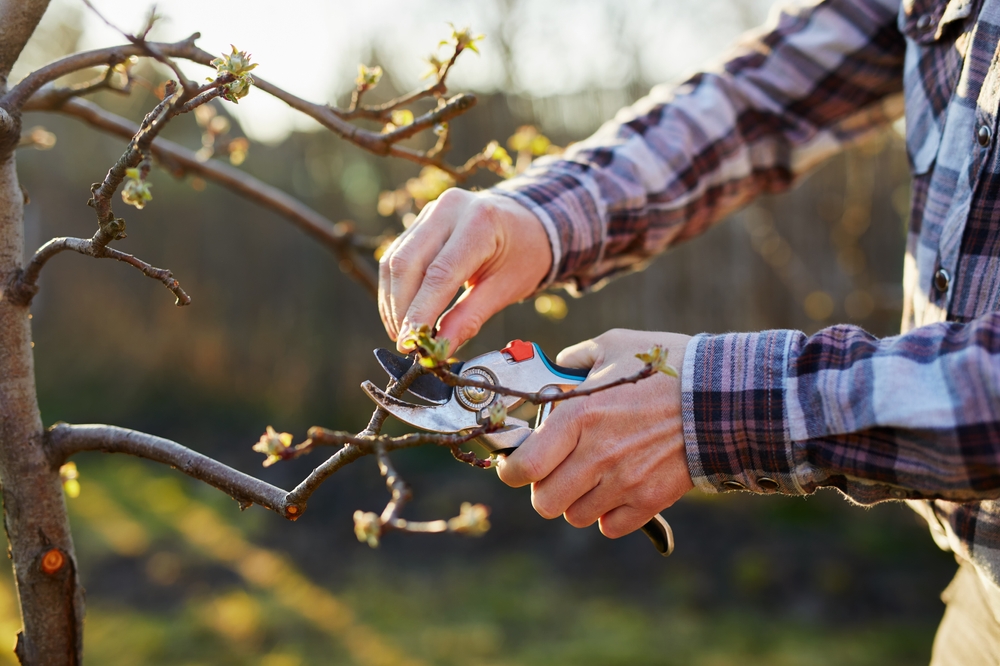
Now is the perfect time to deadhead all of your summer-blooming perennials. Deadheading can encourage your plants to produce more flowers, which, in turn, will prolong their bloom time. It is an essential take in growing healthier plants with more blooms.
Use your fingers to pinch the more tender stems and trim blooms off woody stems with a clean pair of hand shears. Whilst not just for aesthetic reasons, deadheading can massively improve the appearance of your garden and encourage plants to redirect their energy to new growth.
Remove Spent Annuals
If you planted annuals in the spring, it is likely that by the end of summer, you will have some that have run their course and are no longer in the healthy, vibrant state they once were. Once these plants have finished blooming, you can remove them from your garden to make room for autumn flowering annuals.
Removing these plants will increase the airflow in your garden and eliminate any dying foliage that may be playing host to fungus or garden pests. Ensure that you do a thorough check for pests and diseases before adding them to your compost pile, if you plan to do so.
Improve Soil Conditions
Once summer annuals have been removed, it is time to amend your soil and add organic fertilisers such as compost. While chemical fertilisers can feed plants quickly during the growing season, organic ones will break down and enrich the soil over time.
By adding organic matter to your garden at the end of summer, nutrients will have all of autumn and winter to break down, enriching the soil for spring. Work these fertilisers into the soil well after removing any debris (you can also work around plants that are remaining in the ground).
Replace with Autumn Annuals
You have removed your summer-blooming annuals, improved your soil – now it is time to plant your autumn-blooming plants! This will keep your garden looking healthy and colourful all through the season, and pollinators will appreciate a fresh supply of autumn-blooming nectar plants.
Dahlias, Japanese anemones, rudbeckia, asters, and snapdragons are all popular choices for a late summer/ autumn garden. These hardy plants will thrive and add colour to your garden in the cooler temperatures, generally flowering until the first frost.
Mulch
Mulching is a key step that serves a number of important purposes in keeping your plants and soil healthy. Firstly, it helps to control weeds. After you have spent time pulling up summer weeds, a layer of mulch will keep them from coming back as quickly. Leaf mulch is particularly beneficial for this.
Mulch also helps soil to retain its moisture by creating a protective barrier that slows evaporation and regulates temperature. It works by absorbing water and allowing it to infiltrate gradually into the soil below, reducing surface runoff and preventing soil erosion and nutrient loss.
Water Thoroughly
After you have tended to everything that needs attention in your garden beds and containers, it is time to give your plants a good, long drink. This will help your newly planted autumn-blooming annuals to establish their roots and settle everything else back into place.
It is especially important to give your garden a good watering after disturbing the ground in summer. Soil loses moisture quickly at this time of year, and you want to give it the best chance to return to optimum conditions before changes are made.
Prepare Your Lawn
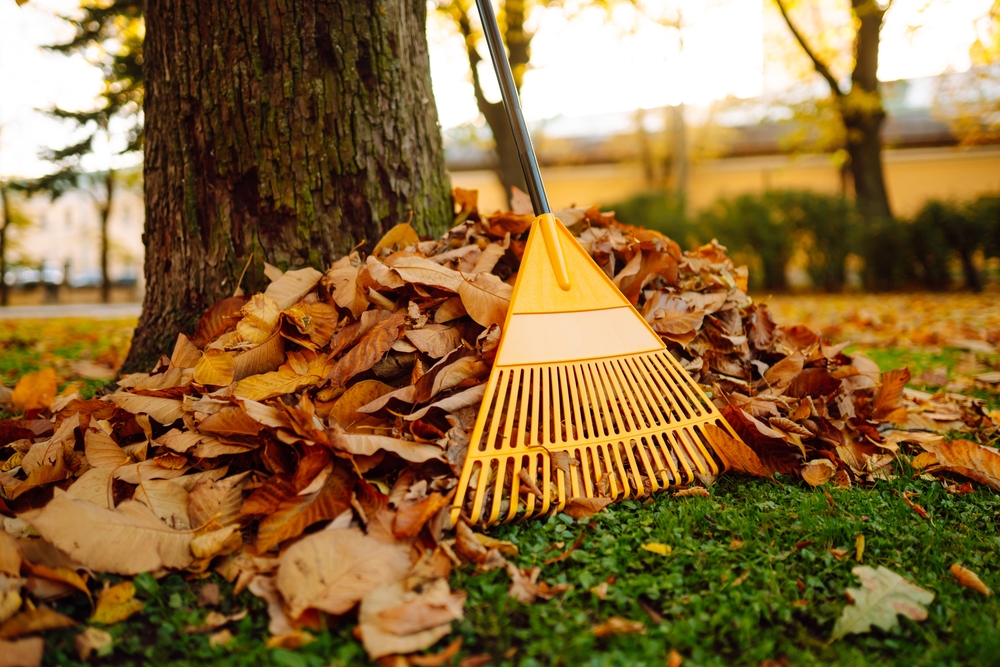
As the weather gets cooler, autumn lawn care is a combination of cleaning up and encouraging new growth, as well as giving it a chance to recover from summer activities. Keep on top of weeds and deal with any fallen leaves – turf grass won’t tolerate thick layers of leaves, so it is best to rake off what you can.
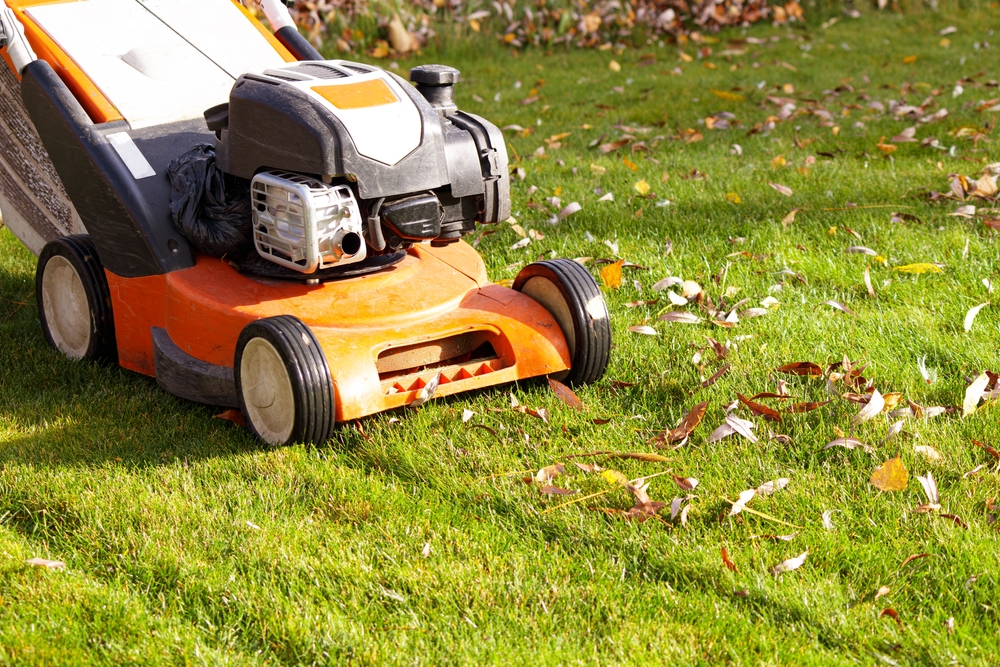
Mow your grass a little shorter than usual, as this task will not be possible once the frosty weather arrives. If your lawn is looking tired and patchy, the beginning of autumn is the ideal time to reseed and overseed, as there is still enough warmth and light.
Clean Up Annuals and Containers
Colourful annuals are often the first plants to succumb to frosty Autumn weather. Once a hard frost hits, it is time to tidy up garden beds and pots, ready to fill again next spring. Empty any containers as the freeze and thaw cycle can crack them, especially if made of clay and left full of potting mix. Store them in a dry, protected area such as a shed or garage.
Dig up any tender bulbs that will not survive the colder weather and store them in a cool, dry place ready for planting again next spring. You can also take cuttings from plants to grow indoors; they will root easily in water and provide a splash of indoor autumn colour!
Final Thoughts
As quickly as summer came, it will turn to autumn, but a drop in temperatures doesn’t mean you can’t enjoy your garden. A little preparation and care now will mean a much healthier and prettier garden to spend time in during the cooler months.
HARRY BODELL: HarryBodellis a UK-based landscaper with over 10 years of experience in the industry. As a gardening expert forPriceYourJob,Harry offers his expert advice to tradespeople and homeowners around the world. He has also been featured as a gardening expert in a wide range of reputable publications.
The Ultimate Guide to Kids’ Room Styling, Expert Advice for Busy Parents