A boundary fence between two properties is often a source of neighbourly disputes, with confusion over legal responsibilities and uncertainty about who is accountable for upkeep.
To make matters worse, the UK is currently home to a large number of neglected fences. A recent study conducted by Ronseal revealed that the fences of nearly three-quarters (72%) of homeowners need cosmetic repairs, structural repairs, or complete replacement. However, a quarter (23%) of Brits are fence-proud, considering their fence to be in very good condition.
To settle the boundary fence debate, Ronseal has enlisted their resident DIY and fence expert Jimmy Englezos to shed some light on the garden maintenance tasks that could land you in trouble with your neighbours if you don’t seek permission.
Establishing Fence Ownership and Boundaries
Before carrying out maintenance or structural work on a boundary fence, it’s important to find out who owns the fence and who’s responsible for its upkeep.
Jimmy explains: “When looking to paint your fence, it’s important to find out where the boundary lies between your homes and who owns each fence. If you’re unsure, a good place to start is checking the deeds you received when you bought the property — you’ll often see a ‘T’ indicating which fence side is your responsibility to maintain.
“If the land registry states that you are the sole owner of the fence, then you’re free to make any alterations you like, including painting it. If your property is listed or on designated land, check with your local authorities first, as restrictions may apply.

“Equally, a ‘H’ can often be found on the boundary between both properties, which indicates that the fence is a joint responsibility between neighbours.”
Jimmy has shared five common garden updates that may require neighbour approval before work begins:
1. Growing Plants Up Your Neighbour’s Fence
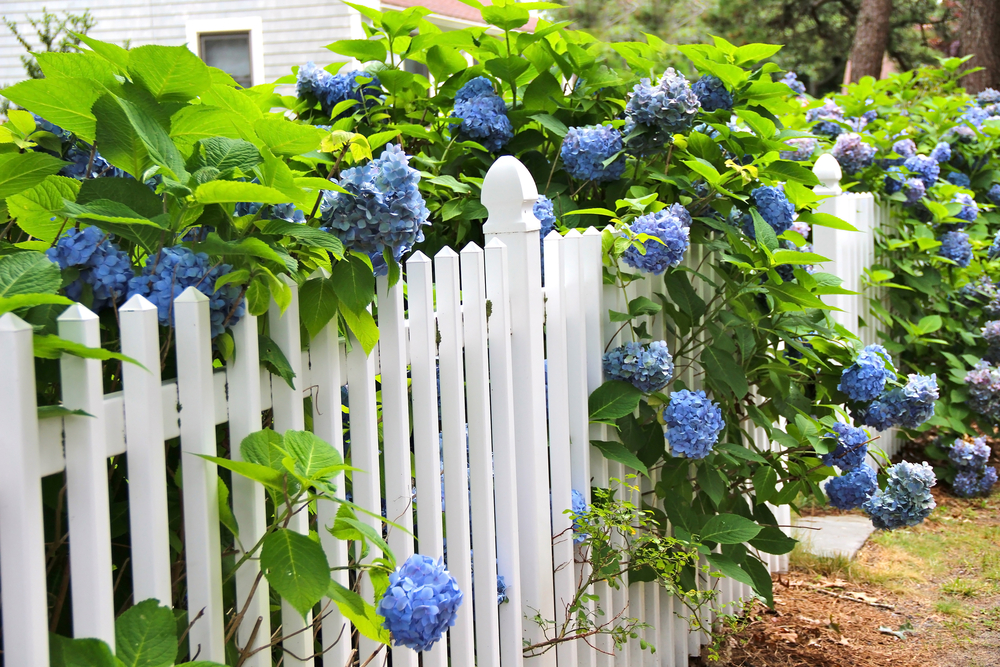
“Growing plants up a boundary fence can be a great way to bring life to your garden and improve privacy levels. However, it’s important to consider whose fence you’re using. Plants leaning against or growing up panels can become heavy and eventually weaken the fence, causing it to collapse.
“If your neighbour owns the fence, you must seek permission before planting climbers, attaching trellis fixtures, or leaning pots against it.
“Equally, if any plants or trees encroach into your neighbour’s garden, they are entitled to trim them back to the boundary — and vice versa. Be aware that trimming beyond the boundary could lead to legal trouble, so it’s best to maintain open communication before taking action.”
2. Painting or Staining a Boundary Fence
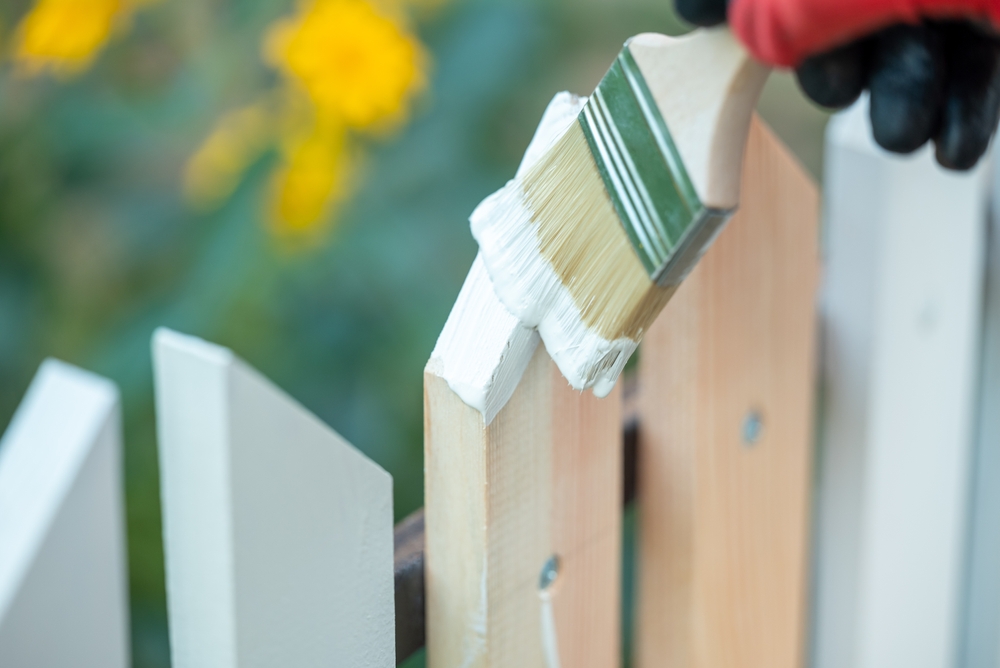
“If it’s your neighbour’s fence, you’re not legally entitled to make cosmetic changes like painting or staining it — even on your side — without their verbal permission.
“Painting can help prolong the lifespan of a fence, and most neighbours will be happy to give permission if you proceed carefully. To avoid disputes, only paint the side facing your garden or match your neighbour’s chosen colour scheme.
“If your neighbour doesn’t agree, a compromise might be to leave the side panels alone or stick to colours they’ve already used.”
3. Repairing Broken Panels
According to the study, 11% of Brits said a neighbour’s fence needed full replacement, 7% noted structural repairs, and 4% said their neighbour’s fences needed cosmetic attention.
Jimmy advises: “Even if a fence needs replacing, you’re not legally allowed to carry out repairs without permission if it’s not yours.
“It’s best to have a polite conversation about the necessary work. Some homeowners offer to share the cost, especially if it gives them a say in the final design. If they refuse and the damage is affecting your property, you might need legal advice.
“Alternatively, you could install your own fence slightly inside your property boundary — a more expensive option, but one that gives you control.
“And remember, back garden fences must be no taller than two metres in the UK without planning permission.”
4. Hanging Decorations from a Neighbour’s Fence
“If it’s your neighbour’s fence, you must ask before attaching anything — from fairy lights to bird feeders.
“If they give permission, you’ll still be liable for damage. For example, hanging a heavy mirror that causes structural problems would make you responsible for repairs or replacement.
“If you own the fence, you can decorate freely, as long as it doesn’t pose a risk to your neighbour’s property.”
5. Planting a Tall Tree Near a Neighbour’s Fence
“If you’re thinking about planting a tall tree near a shared fence, speak to your neighbour first. It could impact their right to light and eventually lead to disputes.
“Tree roots may also spread and damage neighbouring land, opening the door for legal action.”
For more garden tips and how-to guides, visit the Ronseal website.