Apartment living often means working with less space, limited natural light, and the challenge of creating a peaceful retreat high above the busy streets below. But that doesn’t mean you can’t bring the calming presence of nature indoors. In fact, houseplants are one of the easiest and most stylish ways to breathe life into your home, no matter the space.
That’s why Beards & Daisies, one of the UK’s leading houseplant companies, is sharing their expert picks for the best houseplants for apartment living. Whether you’ve got a bright bay window, a shady nook, or just a spare shelf, these plants are chosen for their low-maintenance nature, compact growth, and interior style appeal.
Founder, Jo Lambell, offers tips on how to choose greenery that suits your lifestyle and your light levels, while Lead Horticulturist, Connor Towning, shares practical advice on keeping your plants happy in smaller urban spaces.
1. Snake Plant (Sansevieria)
Why it works: Snake plants are almost indestructible. They thrive on neglect, can tolerate low light, and only need watering every couple of weeks.
Why it’s on trend: Their architectural, upright leaves bring a bold, modern aesthetic to any room.
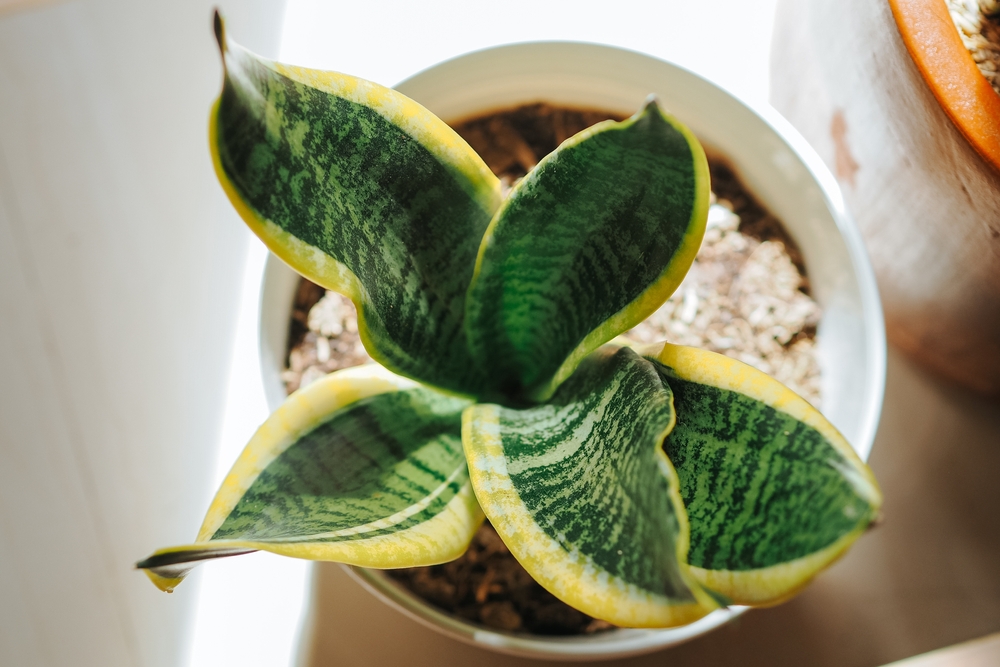
Best for: Minimalist interiors, small bedrooms, or office corners. They’re great in low-light areas like hallways too.
2. Fiddle Leaf Fig (Ficus lyrata)
Why it works: This dramatic leafy plant loves bright, indirect sunlight, making it perfect for sunny apartments.
Why it’s on trend: Its bold, sculptural leaves make it a favourite for adding height and texture to interiors. It pairs well with clean lines, neutral tones, and statement planters, ideal for modern living spaces.
Best for: Open-plan living rooms, statement corners, or by tall windows.
3. ZZ Plant (Zamioculcas zamiifolia)
Why it works: Nearly indestructible, ZZ plants are drought-tolerant, happy in low light, and adapt well to apartment conditions.
Why it’s on trend: Its waxy, deep green leaves add a touch of elegance. It’s sleek, compact, and perfect for modern urban decor.
Best for: Dark corners, bookshelves, or plant clusters. Great for people who travel often or have a busy city career.
4. Aloe Vera
Why it works: Not only does aloe thrive in sunny spots, it’s also useful, break off a leaf and use the soothing gel for minor burns or skin irritations.
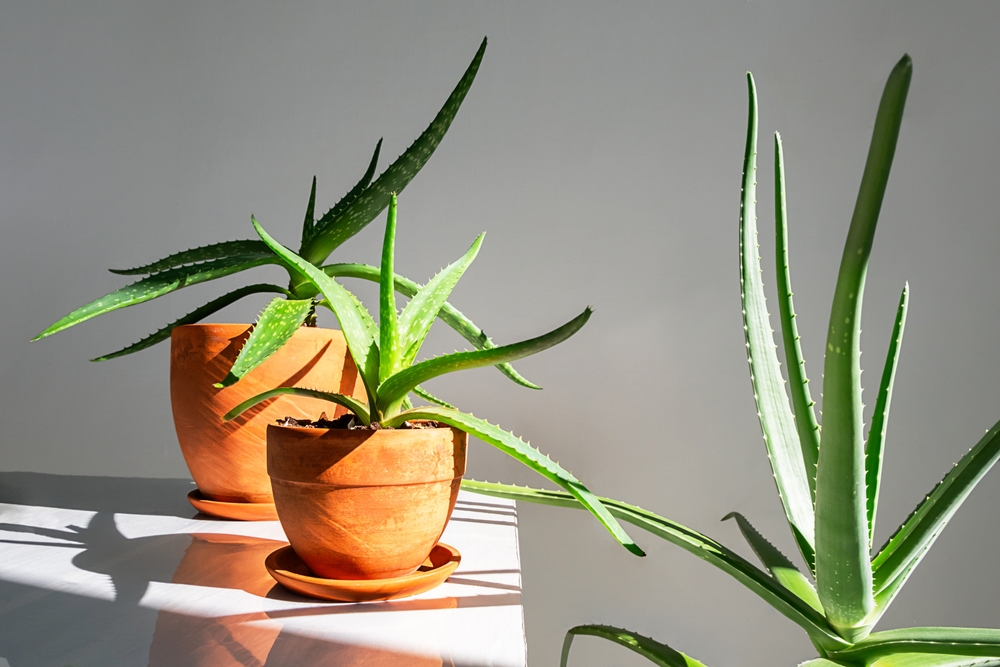
Why it’s on trend: Natural wellness is having a moment, and aloe ticks both the health and style boxes.
Best for: Kitchen windowsills, sunny bathrooms, or any south-facing ledge.
5. Pothos (Epipremnum aureum)
Why it works: It grows fast, tolerates a range of light conditions, and looks amazing cascading from shelves or hanging baskets.
Why it’s on trend: It’s the perfect plant for the “green wall” trend, ideal for vertical space and renter-friendly plant displays.
Best for: Hanging planters or tall bookshelves in living rooms and bedrooms.
6. Rubber Plant (Ficus elastica)
Why it works: Rubber plants adapt well to indoor environments, prefer bright indirect light, and require only occasional watering.
Why it’s on trend: Their glossy, oversized leaves and dark foliage complement both contemporary and boho interiors.
Best for: Mid-century modern decor, paired with a statement planter. Ideal for living rooms or home offices.
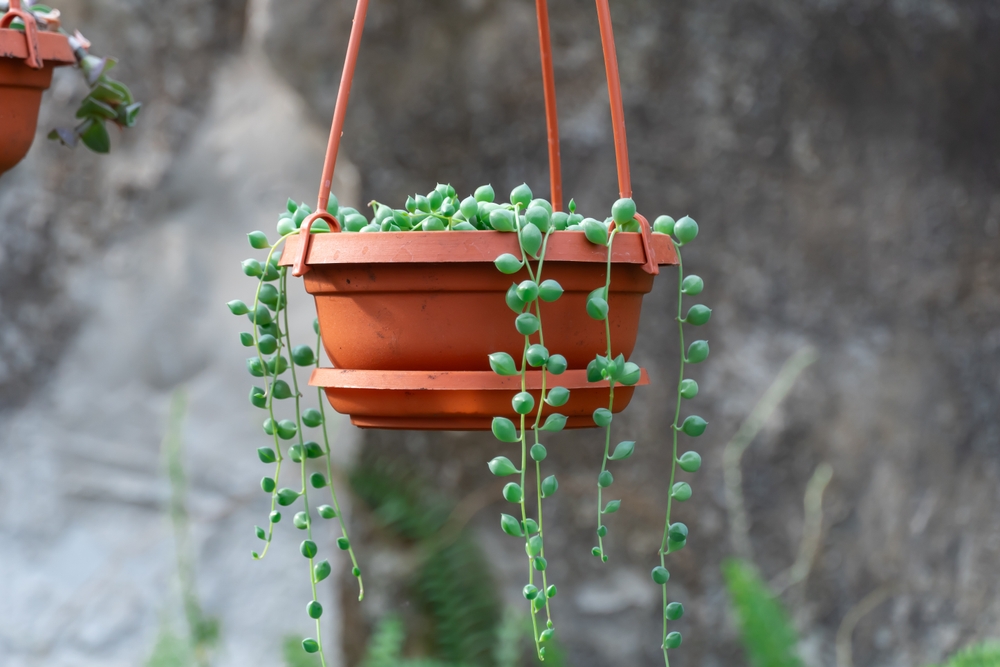
7. String of Pearls (Senecio rowleyanus)
Why it works: This eye-catching succulent loves bright light and doesn’t need much watering, perfect for apartment dwellers with a sunny spot.
Why it’s on trend: Quirky and Insta-worthy, its trailing beads bring a unique texture and look great in macrame hangers.
Best for: Hanging near a sunny window, shelf edges, or creating layered plant displays.
Expert Tips for Apartment Plant Success:
- Jo Lambell says: “Always consider light levels when choosing your plant. South-facing rooms are ideal for sun-lovers like aloe and fiddle leaf figs, while snake plants and ZZs thrive in shaded corners.”
- Connor Towning adds: “During hot spells, rotate your plants every few days to avoid one-sided growth, and check that pots aren’t overheating near windows.”
Save the Bees: How Brits Can Support Pollinators During Heatwaves