Spring is almost here, and what would our gardens be without a variety of beloved pollinators, such as bees buzzing around collecting nectar and pollen from plants?
Attracting bees to your garden can have many benefits, including improved plant growth, natural pest control, biodiversity maintenance, and support for healthy ecosystems.
Below, gardening expert Fiona Jenkins at MyJobQuote.co.uk provides tips for attracting bees to your garden. Here are some of the top plants to attract bees to your garden all year round, improving the appearance of your garden whilst protecting the environment!
Foxglove
Foxglove is a well-known plant across the UK, which produces a spike of purple-pink flowers over the summer to early autumn months. It can grow up to 2m tall and is commonly found in heathland and woodland edges, making a beautiful addition to a summer garden.
Foxgloves bloom in late spring to summer and can easily be grown from seed. Once planted, they will self-seed in shaded areas of your garden, which will ensure a steady supply of pollen and nectar for bees during the early summer months.
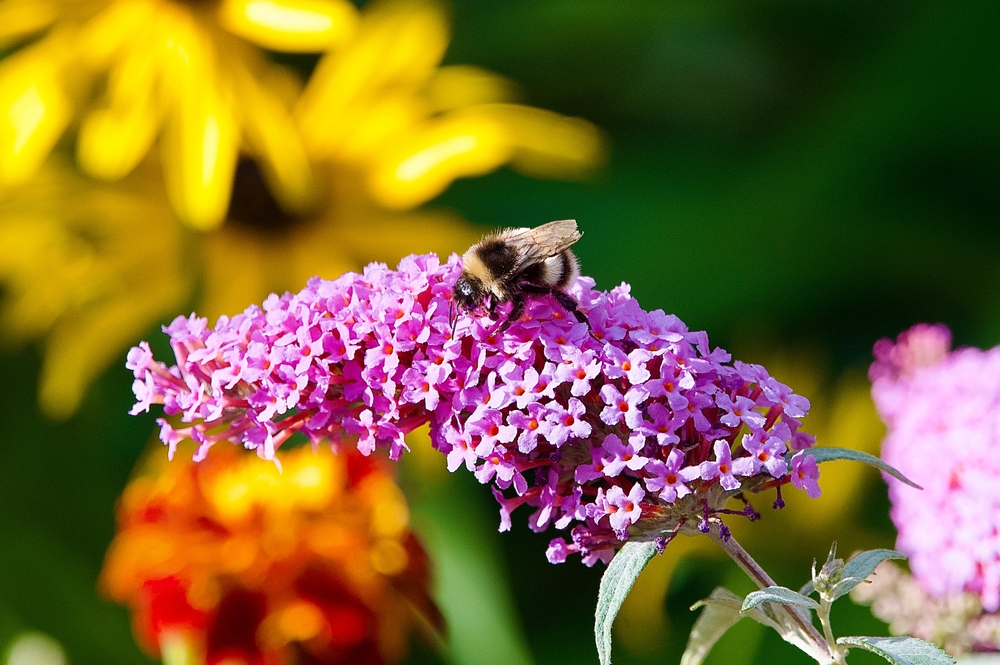
Lavender
Belonging to the mint family, the lavender genus of plants is native to countries bordering the Mediterranean but is common in many UK gardens. They are a popular choice in herb gardens for their fragrant leaves and attractive flowers.
Lavender is a natural source of pollen, which is critical for the health and survival of bees. Bees are naturally drawn to the purple colour of lavender, the beautiful fragrance it gives off, and the nectar it provides – making it an ideal choice for attracting pollinators.
Poppy
The poppy is a flowering plant mostly found in the Northern Hemisphere, and several species are widely cultivated as decorative garden flowers. These often short-lived perennial plants can grow to over a meter tall with flowers up to 15cm across.
Although poppy flowers may not last long, annual poppies are easy to grow from seed, add colour to a garden and are loved by bees. They have many hair filaments and anthers, which make the pollen easily accessible to bees, and they contain very few fungi or mycotoxins.
Aster
Asters are popular plants that are unrivalled in their range of late-season flower colour. They look beautiful in any space and, when placed in a mixed border, can bring a quaint cottage feel to even the most urban of gardens.
Asters flower until frost hits, and they are often considered the best flower for attracting a range of pollinating insects. Bees are highly attracted to aster when they are in bloom, and the flowers are a great source of nectar during late summer and early autumn when most other plants have passed their annual bloom.
Dahlia
The dahlia is a tuberous perennial plant native to Mexico, Central America, and northern South America. The compound flowers come in a range of colours, including white, yellow, red, or purple. They are perfect for creating a beautiful garden border and are also popular as cut flowers.
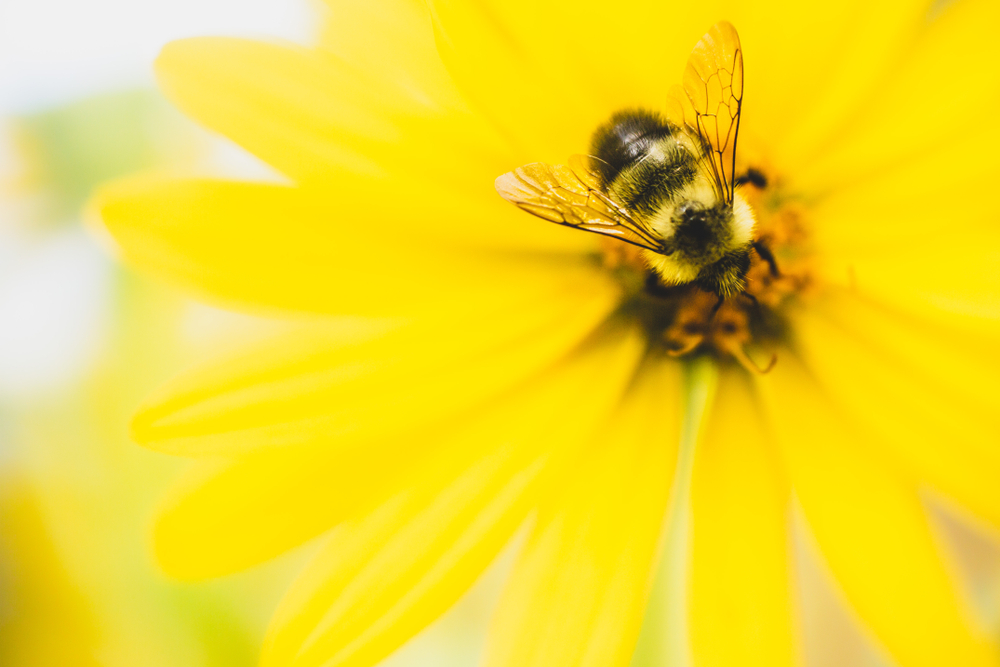
Dahlias are a big attraction for bees due to their characteristic flowers, which have a long spike of petals that look like honeycombs. As bees travel from bloom to bloom, they collect valuable pollen and nectar, so dahlias are a great part of their diet.
Primrose
Primrose is a small, perennial woodland plant that typically flowers from December through May. These cheerful, robust plants provide a splash of colour to a garden in the early months of the year and are frequently used as temporary bedding or in seasonal containers and window boxes.
Early bumblebees love these beautiful spring flowers. The fragile petals will not support the larger queen bees, but worker bees and hairy-footed flower bees will seek out their nectar-filled centres, which provide them with an excellent source of protein.
Hyacinth
The common hyacinth is a fragrant flowering plant that blooms in early to mid-spring. They produce stunning flowers in shades of blue, purple, white, pink, and red that appear in thick clusters on tall spikes, each with fragrant bell-shaped blooms.
Bees are drawn to hyacinths for several reasons, including their vibrant colours and enticing scents. In addition to providing nectar, the strong stems and closely clustered florets will provide a safe place for bees to rest or shelter from harsh weather conditions.
Crocus
The Crocus plant is native to the Alps, southern Europe, and the Mediterranean area and is widely grown for its cuplike blooms in early spring or autumn. They offer a touch of joy in borders, seasonal containers, or planted in lawns to add colour.
Crocus flowers bloom in autumn or early spring and provide nectar and pollen for various bee species, including the honey bee. They are especially attractive when placed in large clusters. As with hyacinths, these flowers can be a great source of shelter as well as pollen, as during the night, the petals will close around nesting bees.
A Pet Friendly Guide To Planting