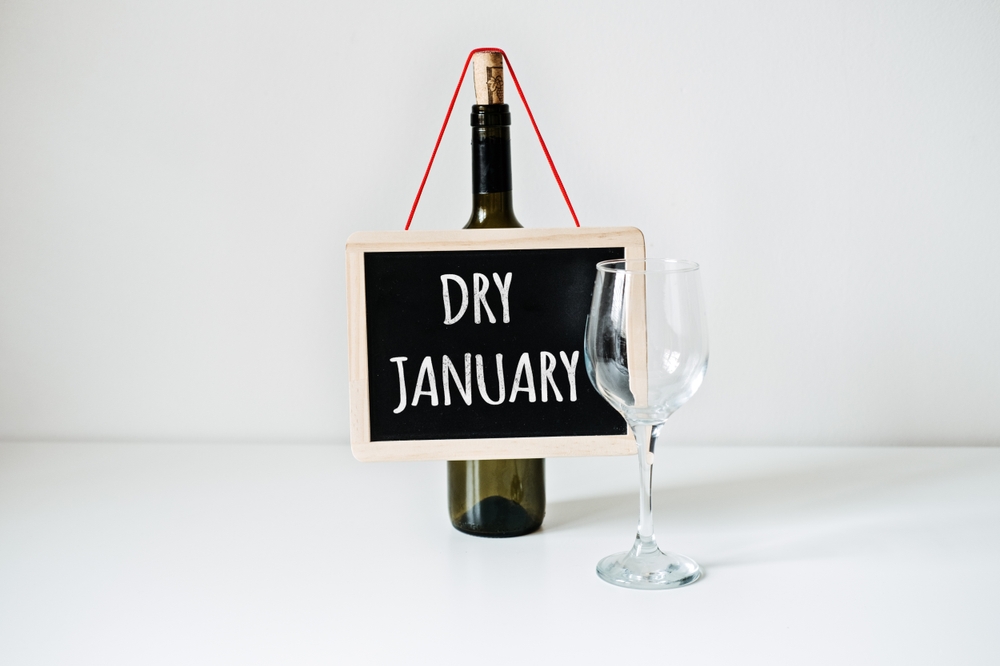
It’s estimated that 9 million people across the UK are participating in ‘Dry January’ 2025. The challenge requires participants to abstain from alcohol for 31 days throughout January. The initiative’s benefits are clear; however, its impact on hormones is less known.
Here, MBA & Medical Case Manager at Balance My Hormones Mike Kocsis presents the science behind exactly what happens to your hormones as you navigate ‘dry January.’
The Cortisol Balancing Act
Alcohol stimulates the hypothalamic-pituitary-adrenal (HPA) axis, igniting a surge in cortisol secretion. Raised levels of cortisol can lead to feelings of anxiety, a build-up of fat (especially around the midsection), and immune suppression. Withdrawing from alcohol for 30 days will suppress the production of cortisol, improving a person’s mood, energy levels, and stored abdominal fat.
Noticeable Benefits: Reduced bloating, improved mood, and less brain fog.
Regulation of the Thyroid Gland
The body’s thyroid gland regulates a person’s metabolism and energy levels. Thyroxine and triiodothyronine hormones affect almost every organ in the body, impacting heart rate, digestion, and even temperature regulation. The consumption of alcohol interrupts the workings of both thyroxine and triiodothyronine and, as a result, the conversion of hormones in the thyroid gland.
Noticeable Benefits: A person who has abstained from alcohol for 30 days will likely notice the restoration of a once sluggish digestive system, reducing heartburn and bloating. Their heart rate will also stabilise, and they will likely feel a reduction in their body temperature. Ultimately, abstaining from alcohol for 30 days allows the thyroid and its supporting systems to recover significantly.
The Body’s Reward System:
Alcohol impacts the brain’s reward system and disrupts emotional regulation by manipulating serotonin and dopamine activity. These neurotransmitters play a fundamental role in a person’s overall mood.
Consuming alcohol increases serotonin, sparking feelings of relaxation and reducing anxiety. Consuming high levels of alcohol regularly disrupts the sensitivity of the serotonin receptor. As the serotonin receptors decrease in sensitivity, the brain produces less of the hormone, leading to variable moods. Continued low serotonin levels are greatly linked with conditions such as depression, anxiety, and poor sleep quality.
Noticeable Benefits: A 30-day break from alcohol allows the brain to replenish its dopamine distribution naturally. This leads to emotional regulation, better stress management, and increased energy/motivation.
Grow & Repair
Alcohol hinders the production of GH, the growth hormone. As a result, injury to the body takes longer to heal. When we exercise, the muscles endure tiny tears that, when healed, become stronger. Alcohol delays this repair by up to a week.
Noticeable Benefits: For those who are increasing their exercise regimes in January, abstaining from alcohol will ensure that they experience faster recovery and are less likely to encounter injury.
How Quitting Alcohol Impacts Women in Particular
Alcohol affects hormone health as it raises cortisol levels and lowers progesterone, an essential hormone for emotional regulation and menstrual health. Refraining from alcohol lowers the risk of estrogen-dominant illnesses such as fibroids, breast cancer, and endometriosis.
Alcohol & the Skin
Alcohol robs the skin of moisture, interrupts the production of collagen, and causes inflammation, sparking skin conditions such as rosacea and acne. Abstaining from alcohol can reverse the signs of aging and reduce redness and breakouts.
The Toughest Days to Navigate: What to Expect
When giving up alcohol for 30 days, Day 3 to Day 7 is likely to be the most challenging period as these days mark the height of alcohol withdrawal symptoms as well as psychological cravings. Withdrawal symptoms can include headaches, heightened anxiety, and even sweating.
Days 5 and 7 see a rise in psychological cravings. Although the dopamine that is suppressed when consuming alcohol is beginning to recover, the brain links alcohol with reward.
When cutting out alcohol:
- Do not be afraid to seek help from AA or your GP.
- Identify and avoid any triggers, such as certain social situations.
- Write down all the positives you are experiencing, for instance, clearer skin, more energy, and better sleep.
Beauty Trend Alert: Oil-Based Shampoos