The moon has long been associated with mood changes and sleep disturbances. While scientists remain divided on the extent of its influence, there is growing evidence that the lunar cycle can affect sleep patterns, emotional stability, hormonal balance, and overall well-being. These effects may be more pronounced for individuals already navigating hormonal changes, such as menopause.
Searches for “Cold Moon + Hormones” have surged by 222% in the past week, according to Google Trends. On TikTok, “Weekend Full Moon December 2024” has inspired over 31.9 million posts. As the final full moon of the year approaches on December 15th, hormonal health expert Mike Kocsis at Balance My Hormones explores how the Cold Moon might influence hormones and shares practical tips for managing them during this time.
What is the Cold Moon?
The Cold Moon is the traditional name for December’s full moon, steeped in Native American, Colonial American, and other folklore traditions. The name reflects the long, cold nights and the start of winter.
Astronomically, the Cold Moon often appears higher in the sky than other full moons due to Earth’s tilt during this season. Its brightness is intensified by clear winter skies, making it a spectacular, albeit potentially disruptive, celestial event.
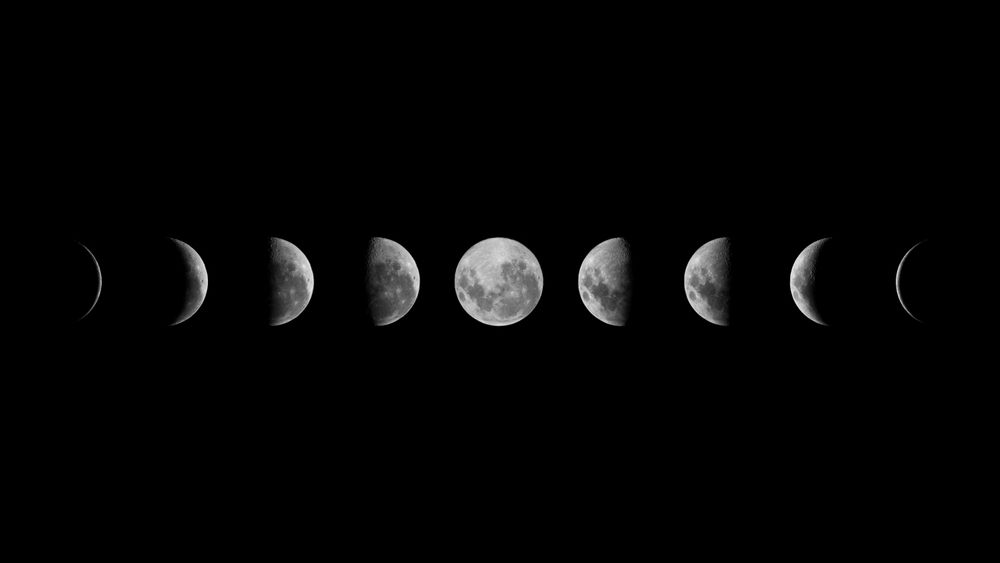
How Can the Cold Moon Affect Hormones?
1. Menstrual Cycles
- Some individuals report that their menstrual cycles align with moon phases, as both span approximately 28 days. While scientific evidence is limited, anecdotal accounts suggest heightened hormonal fluctuations during full moons.
2. Sleep Disruptions and Melatonin Levels
- Sleep expert Martin Seeley at MattressNextDay explains that the Cold Moon’s brightness can disrupt sleep, particularly in areas with low light pollution. Poor sleep reduces melatonin, the hormone regulating your sleep-wake cycle, potentially impacting cortisol (stress hormone) and reproductive hormones like estrogen and testosterone.
3. Stress and Cortisol Spikes
- Sleep disturbances and heightened emotions during the full moon may increase cortisol levels. Prolonged elevations can affect mood, appetite, and reproductive health.
4. Emotional Sensitivity
- The introspective energy of the Cold Moon may amplify emotions, potentially triggering stress responses. This can influence oxytocin (the “love hormone”) and serotonin levels, both critical for emotional well-being.
5. Seasonal Hormonal Shifts
- December’s shorter days already lower serotonin and increase melatonin production, contributing to Seasonal Affective Disorder (SAD). The Cold Moon could intensify feelings of lethargy or mood swings.
Effects on Women at Different Life Stages
- Teenagers: Full moons may exacerbate menstrual symptoms, such as cramping, fatigue, and mood swings, due to shifts in melatonin and cortisol balance.
- Pregnancy and Labor: Some believe full moons increase labour rates due to gravitational forces or light exposure potentially influencing oxytocin release.
- Menopause and Perimenopause: Women in these stages may experience worsened sleep disturbances, as the Cold Moon’s brightness suppresses melatonin and elevates cortisol.
Duration of Hormonal Effects
- Sleep Cycle Adjustments: Most people recover in a few days, but sensitive individuals may take up to a week.
- Melatonin and Cortisol Changes: Typically, last 1–2 days.
- Mood Sensitivity: Emotional fluctuations usually resolve within a few days.
How to Manage Hormones During the Cold Moon
1. Create the Perfect Sleep Environment
Combat the Cold Moon’s brightness by practicing good sleep hygiene. Use blackout curtains or a sleep mask and limit screen time at least an hour before bed.
2. Mindfulness & Stress Management
Engage in stress-reducing activities such as yoga, meditation, or deep breathing exercises. These practices lower cortisol, promote emotional stability, and improve overall well-being.
3. Track Your Symptoms
Keep a journal to note patterns in sleep, mood, and hormone levels during the lunar phases. Adjust your routine based on these insights to better support your body’s needs.
4. Stay Hydrated
Proper hydration helps regulate body temperature, brain function, and emotional stability. This is especially beneficial during times of heightened anxiety or irritability, such as the full moon.
5. Embrace the Positives
Not all full moons negatively affect hormones. Many people report feeling more in tune with their bodies and experiencing increased energy. Use this time for self-care and reflection.
6. Seek Professional Help if Needed
If hormone-related symptoms become overwhelming, consult a healthcare professional. They can offer tailored advice to improve sleep, manage stress, and restore hormonal balance.
GP reveals which TikTok sleep trends are actually worth trying
Beat the Winter Blues With a Warm Bath