I’m An Interior Design Expert – These 8 Things Make Your Home Look Cheap The Second A Guest Walks In
Eight ways your home may be looking cheap without you realising
Interior design is increasingly accessible to all of us these days, but it can be hard to know when you’re doing it right or when you’re straying off the path.
“People are often really worried about making their home look cheap instead of stylish,” says Daniel Ufland, founder of Flitch, an online interior styling platform.
Below, Daniel identifies eight things that can make your home look cheap and gives his advice on how to decorate for a luxurious look, on a budget.
1. Matching Flat Pack Furniture
Filling your space with matching flat pack furniture creates a generic, cookie-cutter feel. Flat pack furniture is often mass-produced, made from flimsy materials like particleboard, and lacks a unique character that gives a room personality.

While it may be affordable and convenient, using too much of it—especially when all the pieces are identical—leaves your space feeling sterile and uninspired.
Instead, mix flatpack pieces with second-hand or vintage finds that add charm to your home. Thrift stores, antique markets, and online resale platforms can provide affordable alternatives that are more durable and visually interesting.
“Even if you buy second-hand furniture that doesn’t quite fit your colour scheme, you can learn to restore or repaint it to suit your aesthetic,” suggests Daniel.
2. Inconsistent Flooring
Having laminate in one room, tile in another, and wood-look vinyl elsewhere creates a fragmented, disjointed feel. When floors change drastically from room to room, it interrupts the visual flow of the home, making it feel pieced together rather than cohesive.

To avoid this, choose one type of flooring, or at least one consistent material or tone, for the main living areas. Even if you opt for budget-friendly materials, keeping the flooring consistent across your home will create a more polished and unified look.
“Be wary of grey-toned wood alternatives, as they can sometimes make a home look cold and artificial,” says Daniel. “Warmer, neutral tones tend to feel more inviting and timeless.”
3. Overdoing Chintz
Too much chintz can quickly overwhelm a space and make it look cheap. When chintz is used excessively—whether in fabrics, wallpapers, or accessories—it shifts from charming to cluttered and old-fashioned.
Use chintz sparingly, as an accent rather than the main feature. Incorporate it in small doses—through pillows, a single chair, or a window treatment—so that it enhances the room rather than overtaking it.
4. Disproportionate Furniture
Whether it’s a sofa that’s too big for a small living room or a coffee table that’s too small for the seating arrangement, poorly scaled furniture disrupts the balance of a room. The result is a space that feels either cramped or unfinished, as if the furniture was chosen without regard for the room’s dimensions.
To avoid this, measure your space carefully and choose furniture that fits its proportions. Large rooms benefit from statement pieces that fill the space without overwhelming it, while smaller rooms require more compact, multifunctional furniture.
“The goal is to strike a balance between positive and negative space, so that the room feels both spacious and cosy,” says Daniel. “Likewise, make sure that artwork and decor fit the size of the walls to create a harmonious, well-balanced look.”
5. The Wrong Rug
The size of your rug can have a dramatic impact on how expensive or cheap your room feels. A rug that is too small for the space makes everything around it—furniture, decor, and the room itself—look out of proportion and poorly thought out. Small rugs often expose large areas of bare floor, making the room feel disjointed and unfinished.

For living rooms, your rug should be large enough for the front legs of all your furniture to sit on. Ideally, there should be about 12 to 18 inches of space between the rug and the walls. For dining rooms, choose a rug that is large enough for chairs to sit comfortably on it, even when pulled out from the table.
6. Overloaded Decor
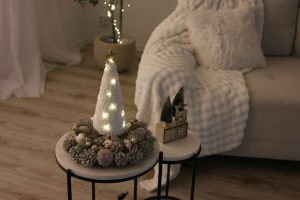
Filling every surface and wall with decor might seem like a good way to personalise your space, but it often leads to a cluttered and overcrowded space, making your home look cheap. Even if they are beautiful individually, this mass of items can overwhelm the room. Instead of highlighting key pieces, a decor overload creates chaos, making it hard for the eye to settle on any particular feature.
The solution is to choose a few statement pieces and give them room to shine. “Think of decor as an accent to the overall design, not the focal point,” says Daniel.
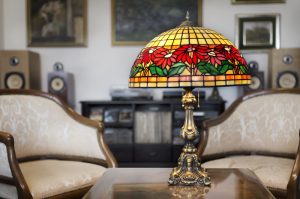
7. Outdated Lighting
Lighting plays a huge role in how a room feels; harsh overhead lights, old fixtures, or a lack of ambient lighting can create a cold, uninviting atmosphere. Fixtures that look dated drag down the aesthetic of the entire space, no matter how well-decorated it may be.
Layer your lighting with a combination of overhead, task, and accent lighting. “Dimmers are also a great addition, as they allow you to control the intensity of light to suit the time of day,” Daniel adds.
8. Cheap Wall Treatments
Elaborate or overly themed wall treatments, such as bold accent walls with murals or outdated paint techniques like sponge painting, often date a space and detract from its elegance.
If you want to add interest to your walls, consider subtle architectural details like crown moulding or wall panelling, which add texture and depth without overwhelming the space.
Daniel Ufland, founder of Flitch, commented:
“One of the simplest and most budget-friendly ways to make your home feel more expensive is through attention to the little details. Start by upgrading the hardware in your space—swapping out old or basic cabinet handles, drawer pulls, and door knobs with more refined, high-quality options can instantly elevate the look of a room.
“Another overlooked factor is the trim work. Adding crown moulding, baseboards, or wainscoting can give your walls a custom, luxurious feel without a hefty price tag. It’s all about creating those subtle visual cues that hint at craftsmanship and quality.
“Additionally, consider incorporating more texture into your home. Layering different materials like velvet, linen, or silk in your curtains, pillows, and upholstery can bring depth and richness to your decor.”