Move over Niacinamide, there’s a new acne-friendly acid on the block: Hypochlorous Acid. With antimicrobial and anti-inflammatory properties, could it be the blemish magic eraser we’ve been searching for?
You’ve probably seen the trend flooding your ‘For You’ page, such as this TikTok video
with over 614.5K views, but should you believe the hype? We asked the experts…
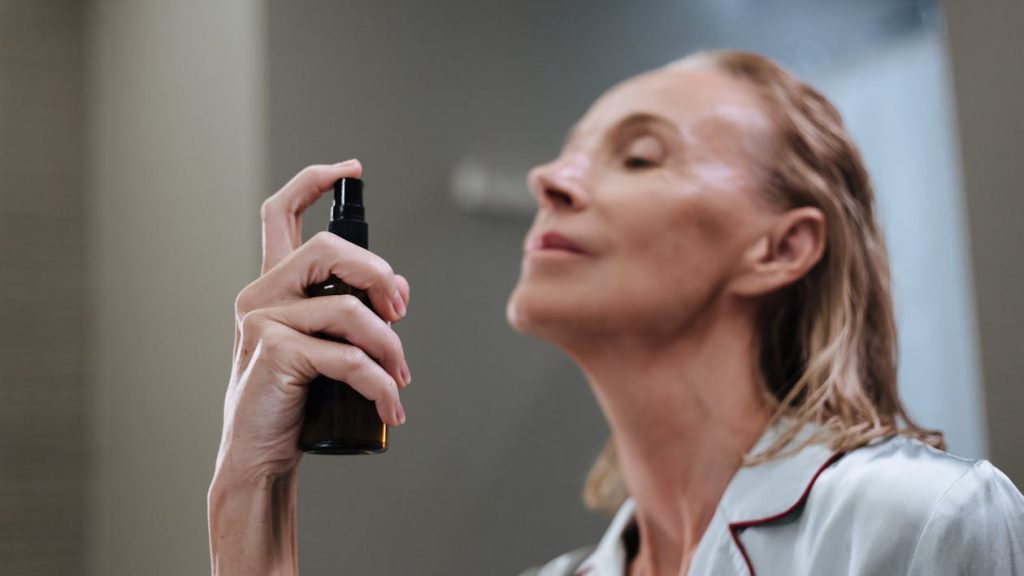
Clinic Lead at Face the Future, Kimberley Medd, says:
“With its disinfecting properties, Hypochlorous Acid is the perfect treatment to apply onto open wounds, including acne. Simply spritz the affected area to remove dirt and bacteria, reducing the risk of any infection and promoting a faster healing process.”
This powerful acid will also improve and calm down skin redness, swelling, and irritation which can contribute to sensitive skin of inflammatory conditions such as excema, rosacea, and psoriasis. Plus, applying Hypochlorous Acid directly onto acne or blemishes can significantly reduce size and swelling.
Thanks to its non-irritating properties, Hypochlorous Acid is also beneficial for all skin types. It’s also perfect for maintaining hydration in your skin, leaving you with a plumper and more nourished complexion.”
Try:
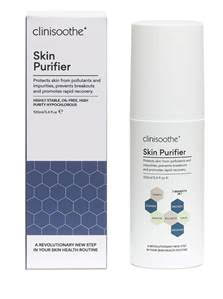
Clinisoothe+ Skin Purifier Spray Bottle, £14.95, Face The Future
This ultra soothing and protecting purifying spray is powered by hypochlorous technology. The powerful formula protects your skin from pollutants and impurities whilst preventing breakouts by banishing acne-causing bacteria and promoting fast recovery. Hypochlorous Acid uniquely oxidises and provides the ultimate anti-microbial protection your skin needs. Say goodbye to redness and swelling as even the most sensitive of skin will be calmed and soothed with this super gentle Hypochlorous Acid complex.
Chemical Engineer, Skincare Formulator, and Founder of Skin Masterclass, Cigdem Kemal Yilmaz, says:
“Hypochlorous Acid (HOC1) is produced naturally by white blood cells in the body’s immune system to fight off bacteria and viruses. It’s known as a weak acid that is formed when chlorine is dissolved in water.
Hypochlorous Acid by its very nature is set to kill pathogens whilst being gentle on human cells, making it a safe option for various applications. It’s often used for wound care and as a disinfectant thanks to its potent, but gentle, antimicrobial properties. It is additionally used to manage inflammatory skin conditions like atopic eczema, and acne for the same reasons. For eczema sufferers, Hypochlorous Acid has shown potential as a non-steroidal alternative due to its antimicrobial and anti-inflammatory properties. However, it may not fully replace the role of topical steroids in all cases.
Hypochlorous Acid is a flexible ingredient that often pairs well with moisturising ingredients such as Hyaluronic Acid, Glycerin, Ceramides, and Squalane. It also works well with anti-inflammatory ingredients such as allantoin and colloidal oatmeal, antioxidants such as Niacinamide and Vitamin C, emollients such as shea butter, and skin barrier enhancers such as ceramides. For those looking to manage acne, it can also be used alongside ingredients like Salicylic Acid and Benzoyl Peroxide to address both bacteria and inflammation.”
Michelin-Star Chef Paul Ainsworth’s National Cream Tea Day